
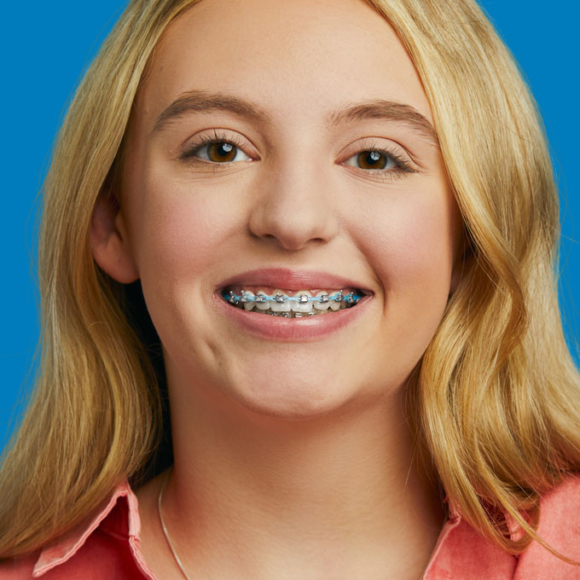
It’s probably the most common question orthodontists hear before a patient gets braces: is this going to hurt? The honest answer is that there is some discomfort involved, but it’s manageable, and it doesn’t last. Understanding what to expect at each stage makes the whole experience a lot less stressful, especially for teens and kids going through treatment for the first time.
The short version: braces don’t hurt in the way a dental procedure does. What you feel is more like soreness from pressure, and it comes in predictable waves that most patients adjust to quickly.
Getting Braces On: The Placement Appointment
The actual process of putting braces on is not painful. Your orthodontist cleans and dries your teeth, applies a bonding material to each tooth, and attaches the brackets. An archwire is then threaded through the brackets and secured with small elastic ties.
The appointment takes about an hour to ninety minutes depending on the case. During that time, you’ll need to keep your mouth open for extended stretches, which can feel tiring on the jaw muscles. But there’s no drilling, no injections, and nothing that causes sharp pain.
The First Few Days: What the Soreness Actually Feels Like
A few hours after your braces go on, you’ll likely start feeling some soreness. This happens because the archwire is applying pressure to your teeth for the first time, and your teeth aren’t used to it. The soreness tends to peak around day two or three and then gradually fades over the following days.
During this window, teeth feel tender when you bite down. Eating anything firm or chewy is uncomfortable. Most patients stick to softer foods like yogurt, soup, mashed potatoes, and pasta during the first week. Over-the-counter pain relievers can help if the soreness is significant, and rinsing with warm salt water soothes irritated gum tissue.
By the end of the first week, most patients have adjusted and are eating normally again.
Mouth Irritation from Brackets and Wires
One discomfort that’s separate from tooth soreness is irritation from the brackets themselves. The inside of your cheeks and lips isn’t used to having metal hardware there, and it can take a few weeks for the soft tissue to toughen up and adjust.
Orthodontic wax is your friend during this phase. Pressing a small piece over any bracket or wire that’s rubbing creates a smooth surface and gives the irritated area time to heal. Most orthodontic offices, including Omar Orthodontics in Chantilly, send patients home with wax at the placement appointment.
If a wire end is poking the back of your mouth, that’s worth a call to the office. It’s usually a quick fix and isn’t something you need to just tolerate.
Adjustment Appointments: What Happens and Why It’s Sore
Every 6 to 10 weeks, you’ll come in for an adjustment. Your orthodontist changes the archwire or makes modifications to keep your teeth moving in the right direction. After each of these appointments, the soreness from the first few days tends to return in a milder form.
It usually lasts 24 to 72 hours and then passes. Patients who’ve been through a few adjustments typically describe it as something they barely notice after the first couple of rounds. The body adapts, and what felt significant at the start of treatment feels routine by the middle of it.
Keeping to your adjustment schedule matters. Skipping or delaying appointments doesn’t reduce soreness; it just slows treatment without any real benefit.
Foods to Avoid and Why It Matters
Certain foods can break brackets or bend wires, which causes discomfort and sets back progress. The usual list includes hard candies, ice, popcorn, nuts, whole apples, corn on the cob, and chewy or sticky candy.
Broken brackets don’t always hurt, but they do mean a tooth isn’t being moved the way it should be. A bracket that’s been loose for two weeks has two weeks of movement to make up. Sticking to the foods your orthodontist recommends isn’t just about protecting the hardware; it genuinely affects how long treatment takes.
For a full breakdown of what to eat and what to skip, the life with braces page at Omar Orthodontics has practical guidance for patients at every stage of treatment.
Keeping Your Teeth Clean During Treatment
Braces create more surfaces for food and plaque to collect, so oral hygiene takes more effort during treatment. Brushing after every meal and flossing daily with a floss threader or water flosser keeps gum tissue healthy and reduces the risk of white spot lesions forming around brackets.
Sore gums are sometimes a hygiene issue rather than a braces issue. Patients who brush carefully and consistently tend to have less soft tissue irritation throughout treatment. Omar Orthodontics guides this at the start of treatment, and the brushing and flossing with braces page is a useful reference to come back to.
When to Call the Office
Most discomfort during braces treatment is normal and passes on its own. But there are situations worth a call: a wire that’s poking the back of the mouth, a bracket that’s come completely off, significant swelling, or pain that doesn’t improve after a few days.
The orthodontic emergency at Omar Orthodontics walks through common issues and what to do about them. Most aren’t true emergencies, but they are worth addressing promptly so treatment stays on track.
Talk to an Orthodontist in South Riding or Chantilly
Omar Orthodontics provides traditional metal braces for teens and adults across Chantilly, South Riding, and surrounding Northern Virginia. If you have questions about what treatment involves or want to know what to expect, call Dr. Anisa Omar’s office at (703) 542-6336 to book your free consultation.