
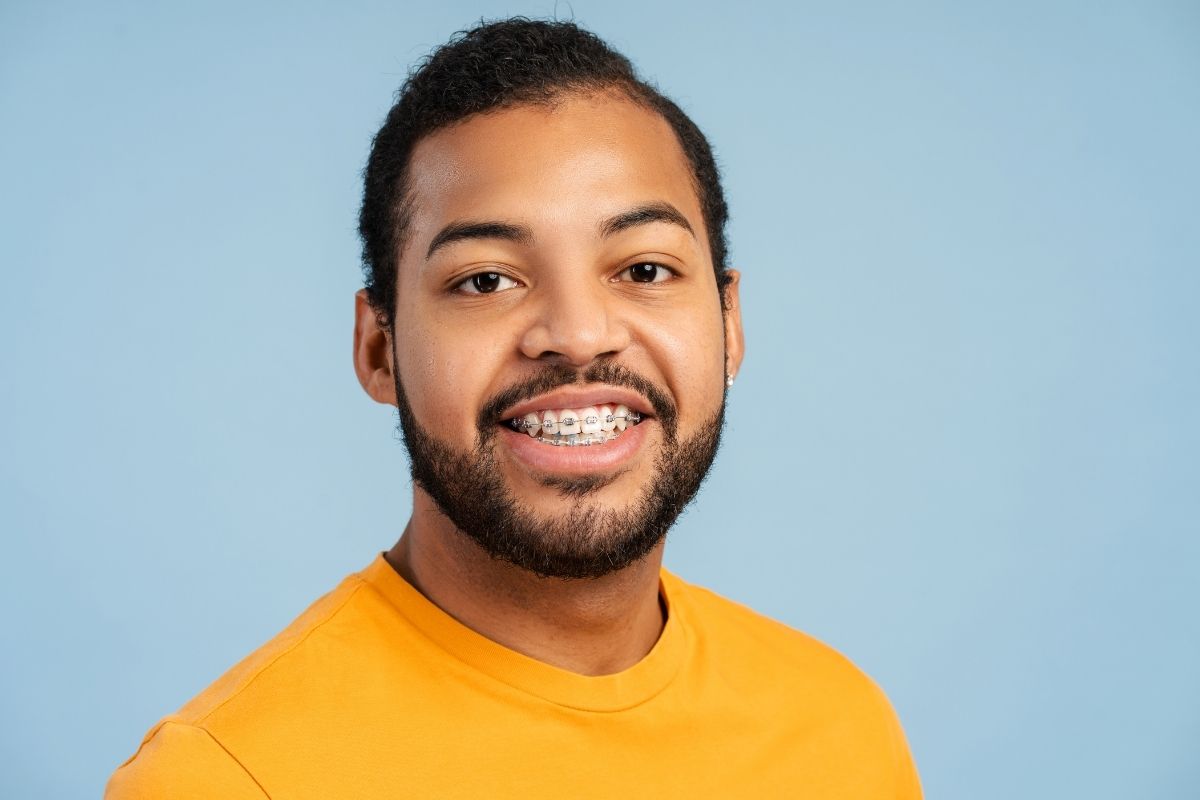
Putting off orthodontic treatment as an adult often feels like a low-stakes decision. Life gets busy, priorities shift, and straightening teeth can seem like something that can always happen later. In practice, delaying treatment sometimes carries costs that aren’t obvious until they’ve already added up.
Why Adults Delay Treatment in the First Place
Assuming It’s Too Late
Some adults assume orthodontic treatment is really meant for teenagers, and that waiting this long means missing the window entirely. In reality, teeth can be moved at any age, though the underlying reasons for treating sooner rather than later still apply.
Cost and Time Concerns
Concerns about cost, treatment length, or fitting appointments into a busy schedule are common reasons adults put off starting treatment, even when they’re aware their bite or alignment has changed over the years.
Not Wanting to Look a Certain Way at Work
Some adults specifically worry about how visible braces might look in a professional setting, which sometimes leads to putting treatment off indefinitely rather than exploring options that fit more discreetly into daily life.
What Continues to Happen When Crowding or Misalignment Goes Untreated
Teeth Keep Shifting
Crowding and misalignment don’t stay static. Teeth continue to respond to everyday forces from chewing, tongue posture, and the loss of any teeth nearby, which means a bite left untreated tends to change gradually rather than staying the same.
Uneven Wear Accumulates
A bite that isn’t properly aligned distributes chewing pressure unevenly across certain teeth. Left untreated for years, this uneven pressure can accelerate wear on specific teeth beyond what would occur with a properly aligned bite.
Gum and Bone Health Can Be Affected
Crowded teeth are harder to clean effectively, which raises the risk of plaque buildup in tight spaces between teeth. Over time, this can contribute to gum inflammation and, if left unaddressed, more advanced gum disease.
Difficulty With Everyday Cleaning Habits
Flossing around crowded or overlapping teeth takes more effort and is easier to do inconsistently, which compounds the plaque buildup issue over months and years of daily brushing that simply can’t reach every angle.
Why Complexity Tends to Increase Over Time
What Starts Simple Can Become More Involved
A case that might have been addressed with a shorter round of treatment years ago can become more complex the longer it’s left alone, sometimes requiring a longer treatment timeline or additional appliances to correct.
Bite Issues Can Affect Jaw Comfort
An uncorrected bite can contribute to jaw strain or discomfort over years of uneven pressure, particularly for patients who already experience some jaw tension or clenching.
Restorative Work Can Complicate Things Further
The longer misalignment goes untreated, the more likely it becomes that uneven wear or shifting will eventually require restorative work, such as a crown or filling, on top of the orthodontic treatment that would have addressed the root cause earlier.
The Cost of Waiting Isn’t Always Financial
Confidence and Daily Comfort
Beyond clinical concerns, ongoing self-consciousness about crowding or spacing is something many adults carry for years without addressing, even though the treatment itself has become far more discreet and manageable than it once was.
Options Have Changed Significantly
Adults considering treatment today have options like clear aligners that didn’t exist or weren’t as advanced years ago, which often makes treatment more compatible with a professional lifestyle than adults assume going in.
What Treatment Looks Like for Adults Today
More Discreet Options Than Ever
Invisalign and clear ceramic braces offer adults a way to address alignment without the more visible appearance traditionally associated with braces, which is part of why more adults are pursuing treatment than in the past.
Treatment Tailored to Adult Considerations
Adult treatment plans often account for factors like previous dental work, existing crowns, or a bite that has shifted since a prior round of orthodontic treatment, which is different from planning treatment for a still-growing teenager.
Fitting Treatment Around a Full Schedule
Many adult patients worry treatment will disrupt their routine, but most find that periodic check-ins and the discreet nature of modern options make it easier to fit into an already busy life than they initially expected.
What an Adult Consultation Typically Involves
Assessing Your Current Bite and Goals
A consultation starts with a discussion of your specific concerns and goals, followed by an assessment of your current alignment, bite relationship, and any relevant dental history that could affect the treatment plan.
A Realistic Timeline Based on Your Case
From there, your orthodontist outlines a treatment plan and estimated timeline based on the complexity of your specific case, rather than a generic estimate that doesn’t account for your individual situation.
Why Now Might Be a Better Time Than You Think
The Longer You Wait, the More There Is to Address
Because crowding and bite issues tend to progress rather than stay the same, addressing a concern sooner rather than later often means a more straightforward treatment path than waiting several more years would.
A Second Opinion Doesn’t Commit You to Anything
If you’re unsure whether now is the right time, a consultation is simply information. It doesn’t obligate you to start treatment, but it does give you a clear picture of what your options actually look like today.
Talk to Omar Orthodontics About Adult Treatment Options
If you’ve been putting off treatment for years, a quick conversation with an Orthodontist Chantilly patients trust can tell you exactly where you stand and what your options look like today.
Omar Orthodontics also welcomes patients searching for an Orthodontist South Riding, offering the same personalized adult orthodontics treatment planning at our Eastern Market Place Plaza office.
Whether you’re closer to Chantilly or South Riding, reaching out now costs you nothing but a conversation, while waiting tends to cost more the longer it continues.
Call (703) 542-6336 or request a free consultation online to get a clear, honest look at your current bite and what treatment would involve.